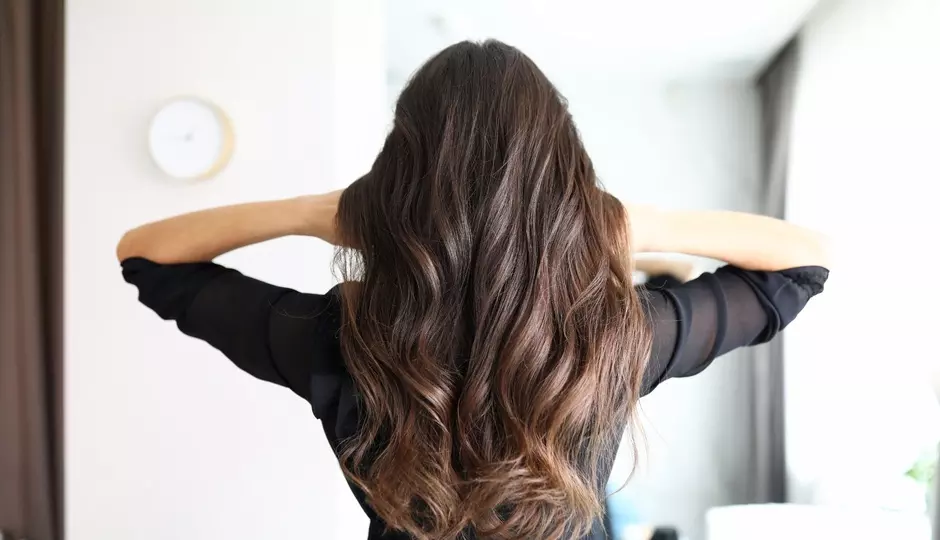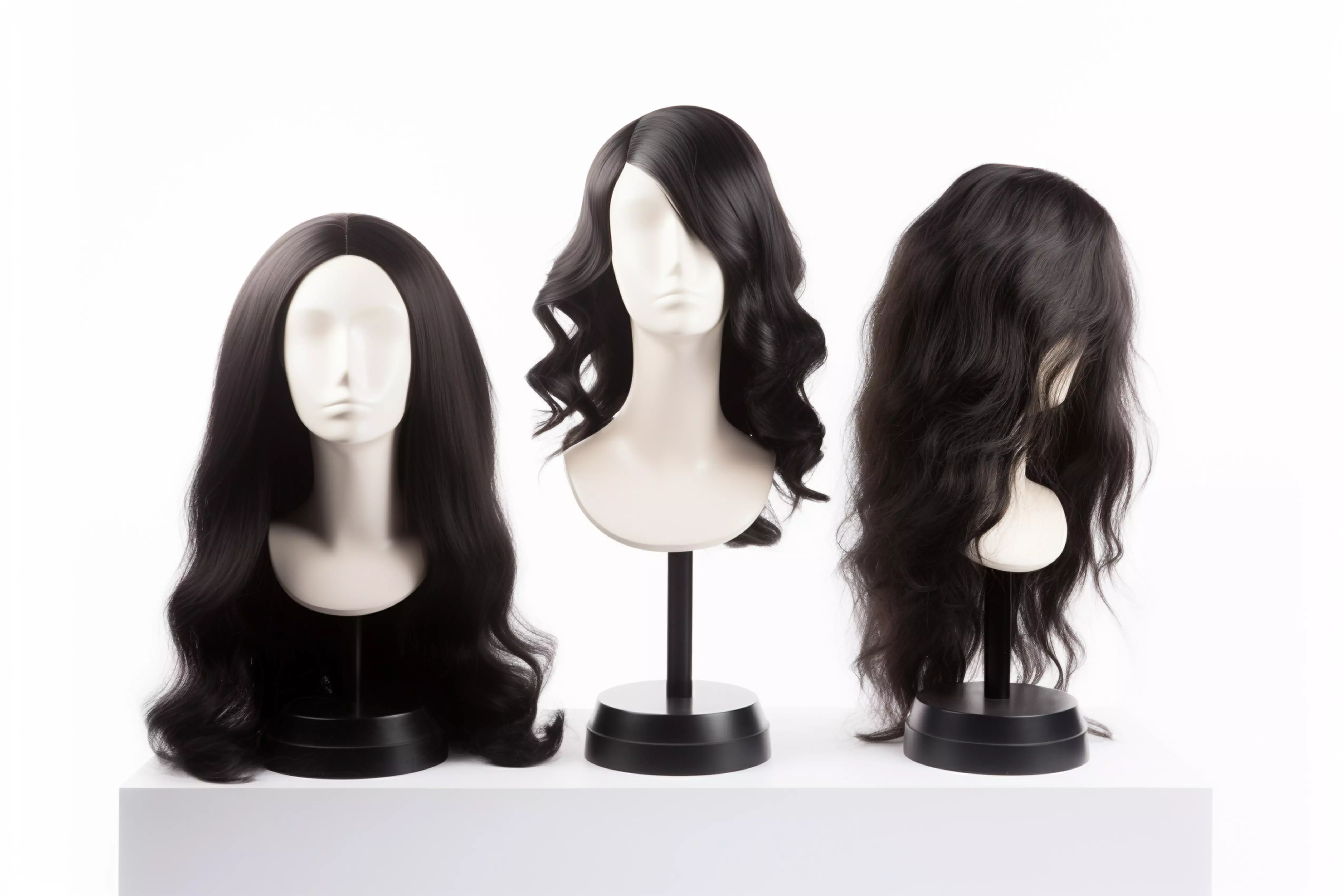

It immerses in the natural scalp and hair so well that no one can tell whether you’re wearing a wig or not.
However, if you need coverage for partial hair loss in a specific area, hair toppers (also known as wiglets) are great alternatives. They add volume and density without covering the entire head.
How Does a Frontal Wig Work?
A frontal wig is hand-tied to the front of the hairline to blend naturally. This type of wig is meticulously crafted, with a strong emphasis on the quality of the materials chosen and attention to fine details.
Materials Used and Creation Process
Materials:
It involves using strands of natural hair or high-quality synthetic fibers. These are carefully selected to meet certain specifications and naturally blend with hair.
From selection and processing to styling, the aim is to give the hair a natural texture and appearance.
Process:
The process to create a high-quality frontal wig involves many steps.
- Selection & Preparation of Natural Hair or Synthetic Fibers
It begins with the careful selection of natural hair or synthetic fibers. Then, hair is washed, cleaned, and treated to enhance its quality.
- Cutting of the Base Material
The base material (lace or silk) of a frontal wig is then cut to the right size and shape so that it fits comfortably on the scalp.
- Hand-Tying of Hair to the Base
This step involves hand-tying each strand of hair onto the base. Here, the aim is to ensure proper hair density and achieve a realistic hairline. The wig maker pays close attention to detail, considering the direction and angle of each strand of hair to achieve natural movement.
- Adjusting Style and Shape to Meet Clients’ Expectations
Ultimately, the frontal wig undergoes precise cutting, coloring, and styling to finalize its shape and aesthetic. This customization is tailored specifically to the client's unique facial structure and desired outcome.
5 Key Benefits of Wearing a Frontal Wig
Wearing a frontal wig offers many useful benefits for women:
- Gives a Natural & Realistic Look
A frontal wig mimics the natural scalp because its hair strands have a natural hair texture. It gives the wearer a realistic hair look, so no one can tell the difference.
- Flexibility to Experiment with Different Hairstyles
Using a frontal wig enables women to try different hairstyles in their daily routines. The wig blends perfectly with your scalp, so you can style your hair in various ways without others knowing you are wearing a wig.
- Comfortable Wear
The super-thin lace of frontal wigs allows air to pass through easily. Therefore, it makes it easy for any woman to wear it throughout the day without any discomfort.
- Lasts Longer with Proper Wig Care
A frontal wig is crafted with precision to ensure longevity. The use of high-quality lace or silk material also contributes to its durability when properly cared for.
What is the Frontal Wig Installation Process?
Installing a frontal wig requires following precise steps to maximize comfort and appearance:
- Flatten the hair and wear a cap to create a smooth base.
- Prepare the wig to suit the hairline and scalp.
- Place the wig on the head and align it with the hairline.
- Apply adhesive or glue to stick the wig to the scalp.
- Press the lace to set it firmly and properly on the head.
- Style it as you prefer, giving it a natural appearance.
5 Tips to Maintain a Frontal Wig
Proper care of your frontal wig can help prevent damage. You can maintain a frontal wig by following a few tips:
- Clean it regularly with the right cleaning & conditioning products and follow the manufacturer’s instructions. It removes dirt, oils, and product build-up from the wig.
- When not in use, you should store it properly on a wig stand or a mannequin head to prevent hair fibers from tangling and getting damaged.
- Avoid intensive heat during hot styling. Also, use heat serum or heat protectant when using hot styling tools.
- Don’t apply glue near the hairline, as it could damage the lace. Also, before reapplying the adhesive, clean it properly.
- Air-dry the frontal wig to maintain its natural appearance.
If you're considering wearing any wig or a hair topper, Bravadas offers top-quality wigs and toppers across a range of categories. Here, you can also get excellent wig maintenance services in Dallas and other areas to help you keep your wig looking good for longer.
Conclusion
A frontal wig is an excellent way to try new hairstyles with an easy and natural look. They give women struggling with low hair density confidence and provide an easy way to enhance their hair's appearance.
However, hair toppers or wiglets could also be alternative options for you, depending on your hair goals and coverage requirements.
Consult an expert hair restoration service like Bravadas to select the best option for your needs and schedule a free consultation.
FAQs
- What is a glueless frontal wig?
A glueless frontal wig doesn’t require adhesives like glue to achieve a natural hairline. However, it requires straps, elastic bands, and combs to fit it properly on the head. You can easily put on or take off these wigs with minimal effort, even if you are new to using hairpieces.
- What is the difference between a wig and a frontal?
A frontal covers the front area of the head from one ear to another. It comes in sizes such as 13x4 and 13x6 inches. On the other hand, a wig covers the entire head.
- Does a frontal wig cover your whole head?
No, a frontal wig only covers the front part of the head, extending from ear to ear (usually 13x4 and 13x6 inches).
- What do you call a wig with no lace?
A frontal wig with no lace is also known as a capless wig, non-lace wig, or machine-made wig. They are another option that is still affordable, breathable, durable, and easy to remove.
- What are other names for a frontal wig?
A frontal wig is also commonly known as a lace front or lace frontal wig. They have a lace panel on the front side of the hairline.