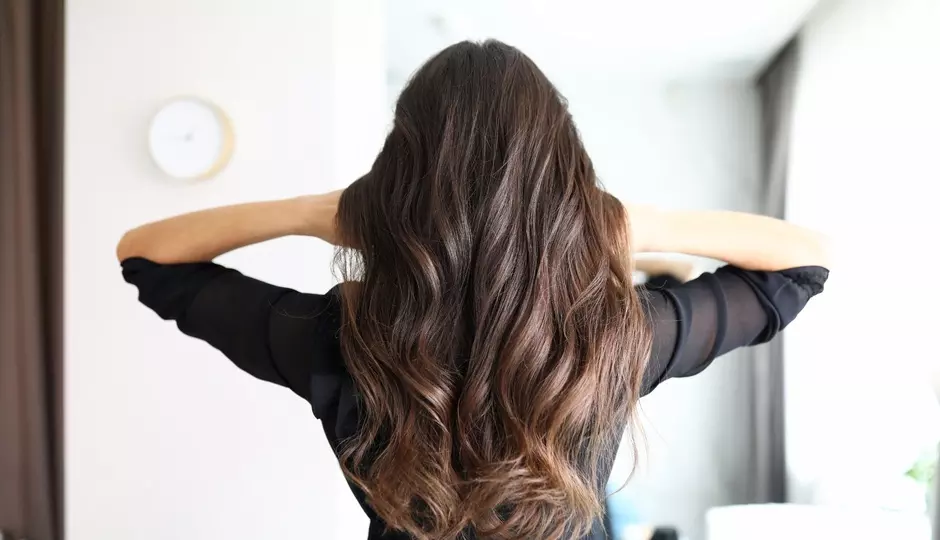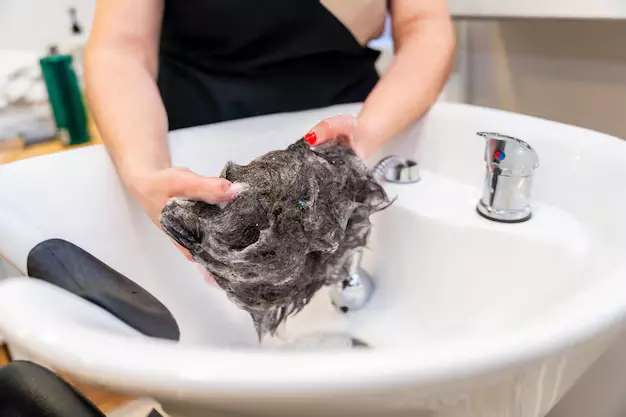

A human hair wig, made from natural hair fibers, requires regular washing to remove buildup and maintain its softness, shine, and smooth, healthy texture. The washing process includes placing it on a wig stand, gently detangling, rinsing with cool water, applying a wig-safe or mild shampoo, rinsing thoroughly, conditioning, rinsing again, removing excess water, and drying properly. Avoid hot water, harsh shampoos, rubbing with a towel, or skipping conditioner, as these can damage hair fibers and weaken the lace.
When done correctly, regular washing extends the wig’s lifespan, prevents tangling, and maintains its shine and style. Wash every 7–14 wears or when buildup appears, and follow proper aftercare such as safe storage, gentle detangling, moisture products, and heat protection. Signs like dryness, dullness, or odor indicate it needs cleaning, while curly wigs require extra moisture to maintain curl definition.
10 Steps to Wash a Human Hair Wig
To wash a human hair wig, place it on a wig stand, detangle gently, rinse with cool water, apply a wig-safe shampoo, rinse, condition, rinse again, remove excess water, and dry properly. This process helps preserve moisture, maintain texture, reduce tangling, and protect the hair fibers from dryness and breakage, extending the wig’s lifespan.
Below are the 10 steps to wash a human hair wig:
Step 1: Set Up Your Wig on a Wig Stand
Place the human hair wig on a wig stand or mannequin head and secure it with T-pins to hold it firmly in place. This keeps the wig cap from shifting or losing its shape while you wash it. A stable setup makes it easier to handle the strands gently, reach all sections evenly, and prevent unnecessary tangling, pulling, or stress on the lace and hair fibers. It also helps maintain proper hair alignment, ensuring a smoother washing and drying process.
Step 2: Position Your Wig
If you are washing the wig while it is pinned, keep it upright for better control, and if using a basin, place it on a clean, flat surface between steps to avoid tangling. Always hold the wig by the nape or ear tabs instead of the delicate front hairline to protect the lace. Let the hair fall naturally downward so gravity keeps the strands aligned, making the washing process smoother and reducing the risk of knots or damage.
Step 3: Detangle Before Washing
Gently detangle the wig using a wide-tooth comb or wig brush, starting at the ends and working your way up to the roots. This removes knots, buildup, and loose strands before the hair becomes wet, when it is more fragile. Taking your time with this step also helps reduce breakage and keeps the strands smooth, while skipping it can lead to severe tangling and increased shedding during washing.
Step 4: Rinse with Cool Water
After detangling, rinse the wig under cool to lukewarm water, ideally between 20–30°C (68–86°F), allowing the water to flow smoothly from root to tip in one direction. This keeps the cuticle sealed, helping retain moisture, shine, and softness. Use light, steady water pressure to avoid disturbing the strands or loosening the knots. Avoid hot water, as it opens the cuticle, leading to dryness, frizz, and reduced wig longevity.
Step 5: Apply Wig-Safe Shampoo
Apply a sulfate-free, wig-safe shampoo such as SheaMoisture Retention Shampoo, OGX Nourishing Coconut Milk Shampoo, or another gentle cleanser evenly through the strands, focusing on the mid-lengths and ends. Use a small amount diluted with water, then lather with smooth, downward motions. A mild shampoo removes dirt, oil, and buildup while maintaining softness and moisture. Avoid scrubbing or twisting, as this can cause tangling and damage.
How to Wash a Human Hair Wig Without Wig Shampoo?
To wash a human hair wig without wig shampoo, use a mild, sulfate-free regular shampoo if wig-specific shampoo is unavailable, ensuring it is free of harsh chemicals like parabens and strong detergents. Dilute the shampoo with water before use to prevent moisture loss and reduce the risk of dryness or damage.
Step 6: Rinse Thoroughly
Rinse the wig thoroughly with cool to lukewarm running water, letting the water flow in one direction from roots to ends until all shampoo is removed. Use gentle, steady water pressure and avoid flipping or bunching the hair to maintain strand alignment. Pay close attention to the base and mid-lengths where residue can build up. Any leftover shampoo can cause buildup, making the hair dull, stiff, and harder to manage while also reducing softness and overall texture quality.
Step 7: Apply Wig Conditioner
After rinsing out the shampoo, apply a moisturizing, sulfate-free wig conditioner or a lightweight, hydrating formula, such as argan oil or a keratin-based conditioner, to the mid-lengths and ends, avoiding the wig base and knots. This helps restore moisture, improve softness, and maintain smooth texture. Distribute it evenly to reduce friction, prevent tangling, and make the wig easier to manage and style after drying.
Step 8: Rinse Again
Allow the conditioner to sit for 2–3 minutes, then rinse it out again with cool water, letting the water flow from roots to ends in one direction. This helps seal the hair cuticle, enhancing natural shine and smoothness. Ensure no slippery residue remains, as leftover conditioner can cause buildup. Proper rinsing keeps the wig lightweight, soft, and manageable while maintaining moisture balance.
Step 9: Remove Excess Water
Once the conditioner is fully rinsed out, gently remove excess water by patting the wig with a soft, absorbent towel. Avoid rubbing, twisting, or wringing the strands, as this can disrupt the cuticle, cause tangling, and weaken the hair fibers. Instead, use light blotting motions to absorb water while keeping the strands aligned. This step reduces drying time, maintains a smooth texture, and prepares the wig for safe air-drying or styling without stressing the lace or cap.
Step 10: Drying Your Wig
After removing excess water, place the wig on a wig stand and allow it to air dry naturally in a well-ventilated area to preserve moisture, maintain texture, and prevent heat damage. If quicker drying is needed, use a blow-dryer on a low or cool setting with a heat protectant spray, directing airflow downward to keep the cuticle aligned, reduce frizz, and protect the hair fibers from damage.
What to Avoid When Washing a Human Hair Wig?
When using a human hair wig, avoid hot water, rough towel rubbing, non-wig shampoo, sleeping in a wet wig, skipping conditioner, and brushing from root to tip without detangling. These mistakes can cause dryness, tangling, and reduce the wig’s lifespan.
Key factors to avoid when washing a human hair wig include:
- Using hot water
Using hot water causes immediate and irreversible damage by forcing the hair cuticles to remain open, stripping away the essential moisture that human hair wigs cannot naturally replenish. This results in a dry, straw-like texture that is prone to severe matting and frizz. Using water that is not cool or lukewarm can stretch the delicate lace mesh, ruin the wig’s fit, and soften the hand-tied knots at the base, leading to excessive shedding or balding of the cap.
- Rubbing the hair vigorously with a towel
Aggressively rubbing the towel on a wig creates friction between the hair strands, disrupting the cuticle and causing tangling. Over time, this can lead to breakage, split ends, and weakened fibers, leaving the wig dry, frizzy, and difficult to manage. Gentle blotting with a soft towel is recommended instead to remove excess water while preserving the wig’s softness, smooth texture, and overall lifespan.
- Using regular (non-wigsafe) shampoo
Regular shampoos often contain sulfates and harsh cleansers that strip natural moisture from the wig, leaving the hair dry, brittle, and prone to frizz. Over time, this can weaken the fibers, cause tangling, and reduce the wig’s softness and shine, ultimately shortening its lifespan. It is important to use a sulfate-free, wig-safe shampoo to maintain the wig’s texture, manageability, and overall durability.
- Sleeping in a wet wig
While sleeping with a wet wig, the damp strands can tangle and mat, weakening the cuticle, causing frizz and breakage, and damaging the lace and hand-tied knots. During the night, the combination of dampness and friction against pillows causes the fragile hair fibers to swell and interlock into stubborn knots. If this action is not corrected, the constant rubbing will eventually shred the delicate lace and lead to permanent breakage, destroying the wig’s overall density and sleek appearance.
- Skipping conditioner
When washing a human hair wig, skipping conditioner is not recommended, as the wig lacks natural scalp oils and relies on external hydration to stay soft and manageable. During washing, shampoo opens the hair cuticle to remove dirt, but leaves strands dry and fragile. Skipping conditioner can cause matting, loss of elasticity, and a brittle texture. Using a moisturizing conditioner restores hydration, smooths the cuticle, reduces tangling, and maintains the wig’s softness, shine, and manageability.
- Brushing from root to tip without detangling first
Before brushing the wig, avoid starting from root to tip without detangling the ends first, as this tightens existing knots into severe tangles. This downward tension stresses the fragile fibers, increasing the risk of snapping or stretching. Over time, it can loosen the hand-tied knots on the delicate lace base, causing permanent shedding and irreversible damage to the wig’s density and overall lifespan.
What are the Benefits of Washing a Human Hair Wig?
The benefits of washing a human hair wig include enhancing longevity and durability, maintaining texture and style, preventing tangles, improving hygiene, and removing factory residue. Regular washing keeps the wig soft, manageable, and fresh, helping it look natural and last longer.
6 key benefits of washing a human hair wig include:
- Longevity and Durability
Washing a human hair wig regularly is essential to extend its lifespan, as it removes buildup of sweat, oils, and environmental pullutants that gradually degrade the hair fibers. By keeping the strands clean and the lace free from acidic residue, you prevent the structural components from weakening over time. If this maintenance is neglected, debris buildup can make the wig's human hair brittle and prone to snapping, ultimately reducing the overall durability of your investment.
- Maintains Appearance and Texture
Regularly cleansing your wig ensures the hair retains its natural luster and silky movement, and maintains its appearance and texture by stripping away the dulling buildup from styling products and dust. Clean wig hair allows the cuticles to lie flat, reflecting light and giving a smooth, salon-fresh appearance. Without consistent washing, the texture becomes heavy and greasy, losing its bounce and taking on a lifeless, artificial look that cannot be fixed with simple brushing.
- Prevents Tangling and Matting
A clean wig prevents tangling and matting and stays manageable because removing residual product and skin oils prevents the hair cuticles from sticking together and creating friction. When strands are free of sticky buildup, they glide past each other rather than interlocking into stubborn knots. Neglecting to wash the wig allows fibers to tangle and mat at the nape, creating "nesting" that compromises smoothness and manageability and can lead to excessive shedding and breakage.
- Maintains Style
Washing a human hair wig keeps it clean and light, ensuring the strands remain flexible and responsive to styling tools and products. By removing buildup from old styling products, sweat, and oils, the hair can hold curls, waves, and volume more effectively, making it easier to achieve a polished, natural look. Regular washing also prevents stiffness and resistance, allowing for effortless styling and helping the wig maintain its intended shape for longer.
- Hygiene and Smell
Regular washing maintains the hygiene of a human hair wig by removing sweat, oils, dust, and environmental pollutants that accumulate on the strands and cap. This prevents unpleasant odors, bacterial growth, and scalp irritation, keeping the wig fresh, clean, and comfortable to wear for extended periods. Maintaining hygiene also helps the wig feel light and natural, improving overall wearability and confidence.
- Removes Factory Residue
For removing factory residue, wash the human hair wig to eliminate chemicals, starches, and finishing products applied during manufacturing. This process softens the strands, reduces stiffness and tangling, and restores a natural texture. Cleansing the wig ensures it is smooth, manageable, and ready for styling, while preserving its quality, shine, and longevity for everyday use.
How Often Should I Wash My Human Hair Wig?
You should wash your human hair wig every 1–2 weeks, or after 7–14 wears if worn daily, and every 4–6 weeks, or after 8–10 wears, if worn only occasionally, a few times per week. The need to wash a human hair wig depends on how often it is worn, exposure to sweat and oils, use of styling products, environmental pollutants, and whether it is worn during physical activity or in humid conditions. Regular washing helps maintain the wig’s softness, shine, and manageability while preventing the buildup of oils, sweat, and styling products that can damage the hair and lace over time.
How to Care for a Human Hair Wig After Washing?
After washing a human hair wig, store it properly, brush and detangle between washes, use a leave-in conditioner or wig serum, avoid twisting or wringing, and apply heat protection when styling. Following these steps helps maintain the wig’s softness, shine, and shape, prevents tangling and breakage, and extends its overall lifespan.
Storing Your Wig After Washing
Storing your wig on a mannequin head or a tall folding stand after washing is the most effective way to preserve the cap’s shape and the hair’s natural style. This upright position allows airflow through the lace, preventing moisture buildup and odors. For long-term storage, use a breathable silk or satin bag to protect from dust and static. Without proper support, the cap may flatten or stretch, leading to a poor, unnatural fit.
Brushing and Detangling Between Washes
Starting to brush your wig from the tips and working toward the roots is the most effective way to remove knots without causing excessive shedding or breakage during washing. This method reduces tension on the strands, especially when they are wet and more fragile. Use a wide-tooth comb in small sections to prevent tangles. Skipping it causes knots, breakage, and lace damage.
Using Leave-In Conditioner or Wig Serum
After washing, use a leave-in conditioner or wig serum to help restore moisture, improve softness, and maintain a smooth texture in the human hair wig. Apply a small amount to the mid-lengths and ends to hydrate the strands without affecting the lace or wig cap. This step reduces frizz, enhances shine, and keeps the hair manageable. If skipped, the strands can become dry, dull, and more prone to tangling and roughness over time.
Never Twist or Wring
Avoid twisting or wringing the human hair wig after washing, as this can place excessive stress on the strands and weaken the delicate lace base. Wet wig hair fibers are more fragile, and twisting can disrupt the cuticle and cause uneven texture. Gently press with a towel to remove water and keep alignment. Skipping this leads to breakage, dryness, and damage.
Use Heat Protection
After washing a wig, always apply heat protection before using any heat styling tools to shield the human hair from temperature damage. Allow the product to settle briefly so it forms a protective barrier over the cuticle. Keep the heat below 360°F (180°C) to prevent moisture loss and breakage, and avoid heat on the lace. This maintains smoothness, shine, and fiber strength.
Should I Wash My Wig Before Wearing?
Yes, you should wash your wig before wearing it to remove manufacturing residue, styling product buildup, and any production odors. This step improves cleanliness and scalp comfort while restoring natural texture and allowing restyling. Skipping it can cause residue, stiffness, and poor manageability.
How to Know If Your Wig Needs a Wash?
A wig needs a wash when the strands feel dry or heavy, lose their soft texture and shine, and show increased tangling at the nape and a dull, flat appearance due to buildup. Buildup from products, dirt, and oils blocks moisture, making the wig harder to detangle and causing stiffness, reduced movement, dryness, less softness, and a shorter lifespan.
Can you wash a wig with regular shampoo?
No, you should not wash a wig with regular shampoo because it often contains sulfates and strong cleansers that are too harsh, stripping moisture from the strands and damaging the cuticle of human hair wigs. These ingredients can also cause dryness, tangling, and a rough texture over time. A wig requires a gentle, sulfate-free shampoo that cleanses without removing essential moisture.
How to Wash a Curly Human Hair Wig?
To wash a curly human hair wig, gently detangle it, rinse it in lukewarm water, cleanse it with a moisturizing shampoo, condition it, and air-dry to maintain curl definition. Start by detangling dry strands from the tips upward to prevent breakage, soak in lukewarm water, and cleanse gently without scrubbing. Rinse, condition, detangle in sections, then air-dry on a mannequin head to maintain curl pattern.
How to Find the Perfect Wig for Your Needs?
Finding the perfect wig depends on your lifestyle, comfort, and styling needs, so consider factors such as cap construction, hair texture, length, and maintenance level before selecting a human hair wig. For example, synthetic wigs are pre-styled, low-maintenance, and more affordable, whereas human hair wigs offer a natural look, heat-styling flexibility, and greater durability with proper care.
Density and hair quality also influence how full and natural the wig appears. A well-selected human hair wig offers a realistic look and is heat-stylable for versatility. It is also important to match the wig to your daily routine, as higher-maintenance styles require more care. Choosing the right option helps maintain comfort, ensures durability, and keeps the overall look smooth, soft, and manageable over time.