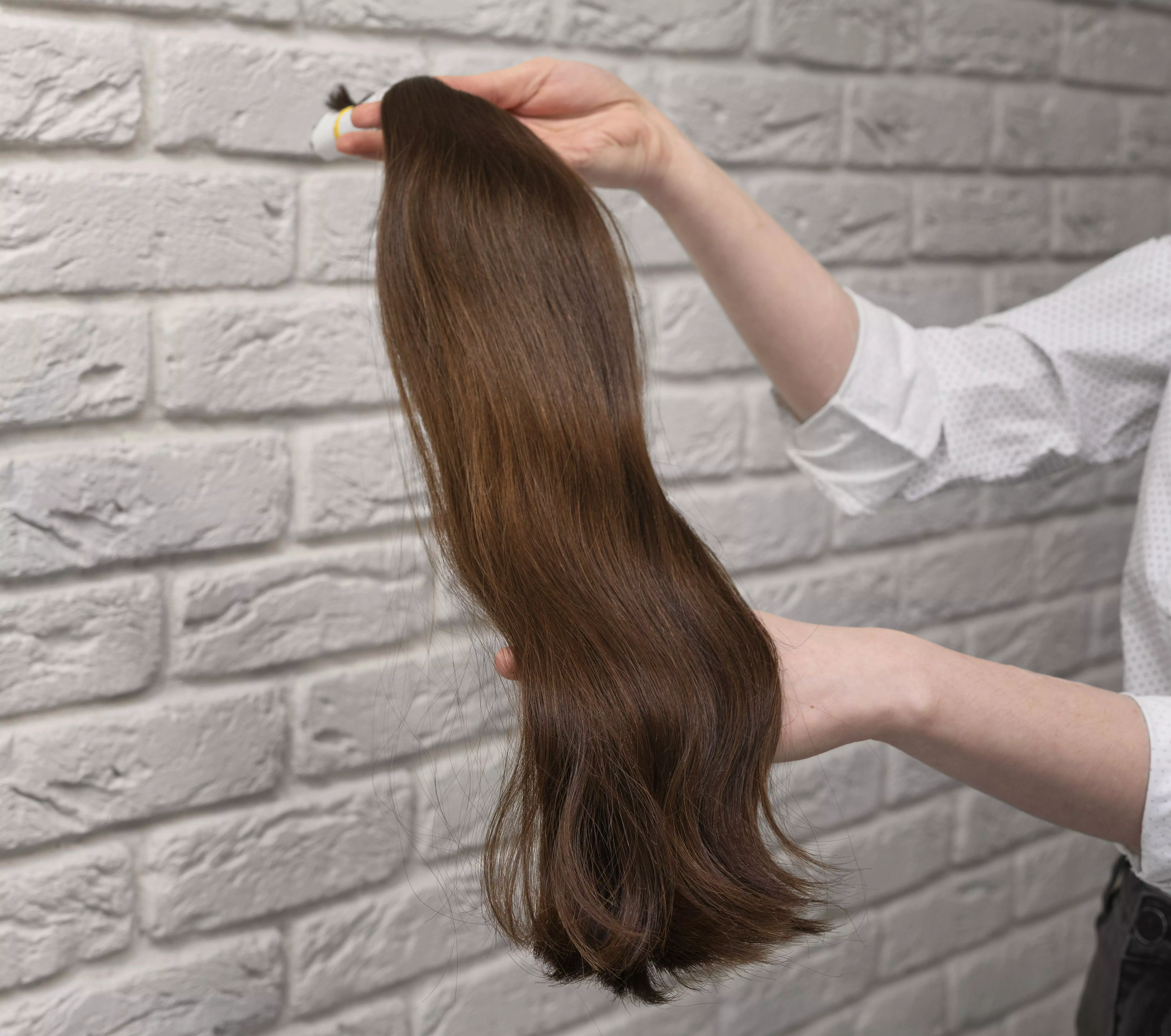

A well-applied wig enhances both appearance and comfort by creating a natural hairline, protecting the scalp, and accommodating different hair types, including hair loss, short natural hair, or long natural hair. When the hair is flattened and secured using methods like braids, twists, or a wig cap, the wig sits evenly, aligns with the natural hairline, and delivers a smooth, realistic finish without bumps or gaps.
This step-by-step guide walks you through the correct process for putting on a wig, from hair preparation and wig cap application to precise placement and secure fitting. It also explains the importance of a wig cap or wig grip headband to prevent slipping, protect the scalp, and maintain a natural, polished look throughout the day.
Step 1: Prepare Your Natural Hair
Start by preparing your natural hair to create a flat and stable base so the wig sits evenly on your scalp and maintains a natural look. Ensure your hair is secured close to your head, as loose or bulky hair can create bumps and affect the wig fit.
If you have short natural hair or little hair, brush it flat and use a wig cap to keep the strands in place. For long natural hair, tie, pin, or style it into French braids to keep it flat against the head. This step helps prevent wig slipping, improves the fit, and keeps the wig aligned with your natural hairline.
Step 2: Put On a Wig Cap
Place a wig cap over your prepared hair by holding it at the forehead and gently stretching it over your head. Ensure all hair is tucked under the cap and that it sits flat against your scalp, covering every strand. Position the cap just behind your natural hairline and adjust it evenly, using bobby pins if necessary to prevent slipping.
Choose a cap color that matches your scalp for a natural look. A properly fitted wig cap maintains the flat base from the previous step, prevents visible bumps, protects the scalp, and provides a stable foundation for accurate wig placement and overall fit.
Step 3: Position the Wig Correctly
Hold the wig at the front and align it with your natural hairline so it sits evenly across your scalp. Tilt your head slightly forward to help the wig lie naturally, then gently pull it back over your head. Make sure the wig sits comfortably, without gaps or bumps, and aligns with your ear tabs on both sides to maintain symmetry.
Adjust the position until the wig feels balanced and natural. Proper positioning ensures the wig creates a realistic hairline, remains comfortable during wear, and provides a stable foundation for final adjustments and securing.
Step 4: Adjust for Comfort and Fit
Adjust the wig by tightening or loosening the internal straps so it fits securely on your scalp while remaining comfortable. A well-adjusted wig sits evenly on the scalp, preventing shifting during daily activities and maintaining a natural hairline. Check that it feels stable from front to back and side to side.
Next, reinforce the fit with tools such as bobby pins, a wig grip headband, or wig tape. Place pins discreetly along the edges or use a wig grip to add friction and prevent slipping. This prevents slipping, ensures long-lasting wear, and provides a stable base for styling, keeping the wig aligned and polished throughout the day.
Step 5: Style and Blend for a Natural Look
Refine the wig by styling it to blend naturally with your face and hairline, enhancing both comfort and realism. Proper styling softens visible edges, manages volume and texture, and ensures the wig moves naturally with your head for a realistic appearance.
Use your fingers or a comb to style the hair, then carefully trim excess lace from a lace-front wig to match your natural hairline. Creating soft baby hairs along the front and lightly layering the strands helps the wig flow naturally, giving a smooth, polished finish that complements your facial features and completes the overall wig-wearing experience.
Step 6: Secure for All-Day Wear
Use bobby pins, wig clips, a wig grip headband, or wig tape to anchor the wig securely for all-day stability. Properly applying these techniques prevents slipping, maintains the natural hairline look, and protects your scalp from irritation, ensuring comfort and confidence throughout your day, even during movement or activity.
Once secured, gently test the wig by moving your head in different directions to confirm stability. This method provides a reliable, all-day hold while keeping the wig smooth, natural, and perfectly aligned with your hairline, ensuring a polished and realistic appearance.
How Long Does Wig Installation Take?
Wig installation takes 5–30 minutes, depending on factors such as hair preparation, wig type, securing method, styling complexity, and the installer's experience. Beginners may take longer, while experienced users can complete the process more quickly as they become familiar with the steps and techniques.
Different wig installation methods and their timing:
- Lace Front Wig Installation (Adhesive/Glue): Usually takes 1.5-4 hours, as it involves prepping the scalp, carefully applying adhesive, and securing the lace front for a natural hairline.
- Sew-in Installation: Typically takes 2-4 hours, depending on hair length, braid preparation, and wig stitching.
- Glueless Wig Installation: Can be completed in 30 minutes, as it relies on adjustable straps or combs rather than adhesives.
- Lace Front Wig Installation: Requires 20–30 minutes, as extra care is needed to blend the lace seamlessly and achieve an invisible hairline.
How to Put On a Wig With Long Hair?
To put on a wig with long hair, start by braiding or twisting your hair and securing it close to your scalp to prevent bumps and tangles. Use a long hair wig cap to hold all strands flat, ensuring the bulk of your hair does not lift the wig or create uneven areas. For extra control, pin sections of hair down and make sure the cap fully contains your hair from the hairline to the nape.
Next, position the wig cap just behind your natural hairline and smooth it so all hair is tucked neatly underneath. Hold the wig at the front, align it with your natural hairline, and gently pull it back over your head. Adjust the ear tabs for symmetry and use bobby pins, a wig grip headband, or tape as needed to secure the wig. This method ensures a snug, comfortable fit, prevents slipping, and keeps long hair fully contained while maintaining a smooth, natural look.
What Are the Common Mistakes to Avoid When Putting On a Wig?
Common mistakes when putting on a wig include placing it too far back, skipping the wig cap, cutting the lace too short, wearing it too tightly, and not securing it properly. Avoiding these errors helps maintain a natural look, prevents discomfort, and keeps the wig stable throughout the day.
Placing the Wig Too Far Back
When the wig sits noticeably high on your forehead, it indicates it has been placed too far back. This often happens when users rush the placement or fail to align the wig carefully with their natural hairline, making the hairline look unnatural and uneven. To fix this, gently slide the wig forward so the front edge rests directly on your natural hairline, ensuring a balanced, realistic appearance and a more secure fit.
Skipping the Wig Cap
If you put a wig directly on your natural hair without a wig cap, it may slip, create bumps, or look uneven. This mistake often happens when users underestimate the importance of a smooth base or want to save time. To correct this, start wearing a wig cap first to keep your hair flat and contained, providing a stable foundation that allows the wig to sit smoothly and securely.
Cutting Lace Too Short
If you trim the lace too close to the hairline, the wig may look unnatural and exposed, which can ruin the seamless appearance of a lace front wig. This occurs when the wig is cut before being properly positioned on the head, or when too much lace is removed at once. Fixing this mistake involves trimming the lace gradually after placing the wig, keeping a small margin so you can shape the hairline naturally without risking an over-cut or uneven edge.
Wearing the Wig Too Tight
Another common mistake is pulling the wig straps too tight, which can make the wig uncomfortable and cause headaches. Such incidents happen when users over-adjust the straps or choose a wig that is slightly smaller than their head. Fixing this involves loosening the straps or repositioning the wig to achieve a secure yet comfortable fit that keeps it stable without causing pressure or discomfort.
Not Securing the Wig Properly
When the wig is left unanchored, it can shift, slide, or move during normal activities, causing discomfort and an unnatural appearance. This often happens when users skip using bobby pins, wig clips, a wig grip headband, or tape, relying only on the wig’s built-in straps. Secure the wig at key points, along the hairline, sides, and nape, so it stays stable, maintains a natural look, and prevents slipping throughout the day.
How to Choose the Right Wig for Your Needs?
Choosing the right wig depends on hair type, desired style, lifestyle, comfort, budget, and how often you plan to wear it. Synthetic wigs are ideal for beginners or occasional wear, while lace-front or monofilament wigs provide a more natural look for daily wear. Users with sensitive scalps or hair loss should choose soft-lined or breathable options to maximize comfort.
Consider hair length, color, and texture that complement your face shape and style. Professional wig services can guide you on fit, styling, and maintenance, allowing you to try different options and select a wig that looks natural, fits securely, and meets your daily needs.