
Hair loss in women can result from stress, hormonal imbalances, nutritional deficiencies, medical conditions, aging, certain medications, or scalp infections - all of which disrupt the normal hair growth cycle in different ways. While losing 50–100 hairs daily is normal, noticeable thinning or bald spots indicate internal or external triggers.
Understanding the cause is the first step toward targeted prevention and effective treatment. Protect your hair by adopting a balanced diet, managing stress, and using gentle, low-tension styling. For lasting results, choose the right hair restoration option tailored to your specific needs.
10 Common Causes of Hair Loss in Women
The causes of hair loss in women include stress, hormonal imbalances, nutritional deficiencies, and aging. Other factors include medical conditions, certain medications, and external stressors like traction alopecia. These disrupt hair follicles, leading to excessive shedding or thinning. Some triggers cause temporary shedding, while others gradually shrink follicles and slow growth.
The 10 most common causes of hair loss in women include:
Stress
Stress disrupts the hair growth cycle in women by elevating stress hormones that push hair follicles prematurely from the growth phase into the resting phase. This shift triggers telogen effluvium, where follicles stop active growth and cause widespread scalp shedding rather than localized hair loss. This often appears 2–3 months after triggers such as illness, emotional strain, or sudden lifestyle changes. Restore the hair cycle through regular physical activity, therapy, and relaxation techniques. Ensuring adequate sleep also allows follicles to return to the growth phase. These habits support consistent regrowth and help the scalp recover normal hair density.
Hormonal Changes and Imbalances
Fluctuations during menopause, pregnancy, or PCOS cause hair loss in women by disrupting follicle function through lower estrogen or higher androgens. These shifts shrink follicles and slow activity, resulting in finer strands or diffuse thinning. Such hormonal imbalances can lead to female-pattern hair loss or thyroid-related shedding, which reduces overall hair density over time. Focus on correcting imbalances through diagnostic blood tests followed by hormone therapy or thyroid medication. Professional guidance from a dermatologist helps stabilize the growth cycle and supports improved hair regrowth.
Nutritional Deficiencies
Deficiencies in key nutrients like iron, zinc, and protein can cause hair loss by weakening follicles and disrupting the growth cycle. These deficiencies often result from crash diets, restrictive eating, or imbalanced nutrition, which leads to weaker strands, thinning hair, and excessive shedding across the scalp. Recovery involves using blood tests to identify specific nutrient gaps and starting targeted supplementation. A diet rich in protein, leafy greens, and whole grains further supports long-term growth. These steps help follicles regain strength, ensuring consistent hair regrowth.
Telogen Effluvium
Major physical shocks, such as surgery, severe illness, childbirth, or rapid weight loss, can disrupt the hair growth cycle and trigger sudden hair loss. These triggers push a large percentage of hair follicles prematurely into the resting phase, resulting in diffuse shedding across the scalp rather than localized patches. Due to the growth cycle's delayed nature, thinning typically becomes visible a few months after the triggering event. This condition is usually temporary. Supportive care and time allow follicles to re-enter the growth phase naturally, restoring normal hair density once the underlying cause is resolved.
Alopecia Areata
Autoimmune conditions, such as alopecia areata, cause hair loss in women when the immune system mistakenly attacks healthy hair follicles. This immune response disrupts the hair growth cycle, leading to sudden, well-defined round patches of hair loss on the scalp or body. While the follicles are not permanently damaged, their ability to produce hair is interrupted, resulting in unpredictable cycles of shedding and regrowth. Treatment strategies include immunomodulatory therapies such as corticosteroids and immunotherapy. These methods help follicles recover, supporting partial or complete regrowth over time.
Traction Alopecia
Hair loss in women also occurs due to traction alopecia where repeated tension from tight hairstyles like ponytails, braids, or extensions weakens hair follicles, especially along the hairline, and disrupts the growth cycle. Heat styling and chemical treatments exacerbate structural damage, leading to thinning, breakage, and potential scarring that halts regrowth. Immediately switch to loose, low-tension hairstyles and eliminate heat or chemical treatments. It removes the source of stress, allowing follicles to recover and restore natural density before irreversible damage occurs.
Postpartum Hair Loss
Women’s postpartum hair loss stems from a sharp drop in estrogen after childbirth, which disrupts the hair growth cycle and triggers widespread shedding. Elevated pregnancy estrogen prolongs the growth phase leading to thicker hair, but the sudden decline synchronizes follicles into the resting phase triggering diffuse scalp shedding rather than patchy shedding starting months after delivery. Hair naturally regrows within 6–12 months as hormone levels stabilize. No intensive treatment is needed, as follicles gradually return to the growth phase and restore normal density.
Aging
Natural biological changes over time contribute to hair loss in women by slowing cell regeneration and reducing follicle productivity. As aging progresses, this decline affects follicle function and hair growth. Unlike patchy hair loss, this "female pattern" thinning typically occurs progressively across the scalp. Focus on maintaining hair health with gentle care to protect existing strands, and use volumizing products to create a fuller appearance. For advanced thinning, topical treatments or non-surgical solutions can support regrowth and improve overall density.
Medications
Certain medications, such as blood thinners, antidepressants, and hormonal birth control, can cause hair loss by disrupting the natural hair growth cycle. These chemical interactions prematurely push follicles into a resting phase, causing diffuse thinning or increased shedding. While chemotherapy acts rapidly, most medications lead to a gradual reduction in hair density over time. Consulting a healthcare provider to adjust dosage or switch medications, when possible, often restores follicle function, allowing hair regrowth once the chemical interference is removed.
Scalp Infections
Conditions such as ringworm, seborrheic dermatitis, and folliculitis trigger inflammation that damages hair follicles and disrupts the hair growth cycle. This irritation causes itching, scaling, and redness that weakens the foundation for healthy hair. Persistent cases can push follicles into a resting phase or cause breakage, resulting in patchy loss or diffuse thinning. Treatment involves antifungal medications, medicated shampoos, and dermatologist-guided anti-inflammatory therapies, which eliminate the infection and allow follicles to recover, resuming normal hair growth once the scalp environment is restored.
What are General Prevention Tips for Hair Loss?
To prevent hair loss and support healthy hair growth, women should adopt a holistic approach that combines nutrition, stress management, and protective hair care. A diet rich in protein and iron fuels follicles, while stress management through exercise or meditation regulates hormones to reduce shedding. Minimize physical damage by choosing low-tension hairstyles and avoiding excessive heat or harsh chemicals. Consistent habits, hydration, and medical guidance for deficiencies ensure long-term hair resilience and density.
- Eat a balanced diet rich in iron, protein, and vitamins
- Manage stress through exercise, meditation, or therapy
- Avoid tight hairstyles that pull on the scalp
- Limit heat styling and chemical treatments
- Use gentle, sulfate-free shampoos
- Address nutritional deficiencies with a doctor's guidance
- Stay hydrated and maintain a healthy lifestyle
Normal Shedding vs. Hair Loss: What's the Difference?
Normal shedding is a healthy part of the hair cycle in which no scalp is visible, whereas hair loss involves excessive thinning or bald patches. Normal shedding typically improves once triggers like stress resolve, whereas hair loss often persists and requires medical evaluation.
Normal shedding vs. hair loss: Key differences
Factor | Normal Shedding | Hair Loss |
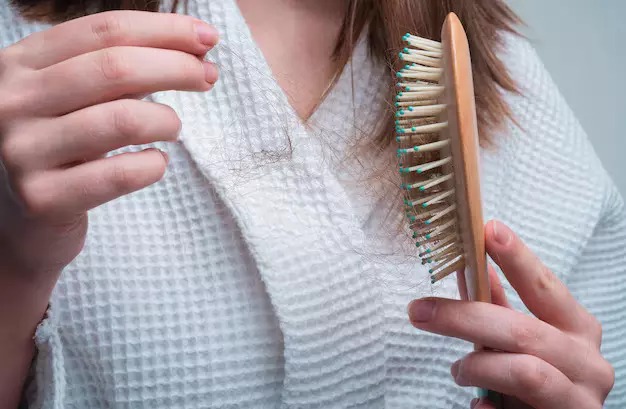
Daily hair loss | Loss of about 50–100 hairs per day, with no major change in thickness. | Noticeably more shedding than usual, often clearly visible in brush, drain, or on the pillow. |
Visible signs | Loose strands present, but overall coverage looks full and even. | Thinning, widening parts, or patchy/bald areas appear over time. |
When you notice | Mild increases after events such as stress, illness, or the postpartum period, then improve. | Gradual, ongoing thinning that does not clearly improve on its own. |
Scalp visibility | Scalp remains mostly covered; density looks consistent. | The scalp becomes more visible, especially at the crown or hairline. |
Hair texture | Strands feel similar in thickness and strength; mostly intact hairs. | Hair feels finer, weaker, or shows more broken or short strands. |
Duration | Temporary and self‑limiting, usually resolving within a few months. | Persistent or progressive, often worsening without treatment. |
Regrowth pattern | New growth fills in evenly; normal density returns over time. | Regrowth is uneven, patchy, slow, or absent in affected zones. |
Hair Thinning vs. Hair Breakage: What's the Difference?
Hair thinning occurs when fewer or finer hairs grow from the scalp, whereas hair breakage happens when existing strands snap along the length and leave shorter pieces. Thinning reflects a change in the hair growth cycle, whereas breakage indicates physical damage to the hair shaft that requires targeted care and treatment.
Hair thinning vs hair breakage: Key differences
Factor | Hair Thinning | Hair Breakage |
What it is | Reduction in the number or thickness of hair strands from the roots. | Existing hair strands snapping or splitting along the shaft, not at the root. |
Root cause | Often, hormonal changes, aging, genetics, or medical/physiological triggers. | Usually, it is mechanical or chemical damage from heat, tight styles, harsh chemicals, or dryness. |
How it looks | Overall, finer, less-dense hair; the scalp may appear more visible over time. | Hair ends look uneven; more short, broken strands, split ends, or flyaways. |
Where it happens | Uniform or patterned thinning across the scalp (e.g., part line, crown). | Broken ends and damage mostly along the lengths, especially mid‑shaft to ends. |
Hair fall | It may include increased shedding, but the main issue is reduced density. | Less shedding from the root; more noticeable short pieces in the brush or on clothes. |
Common causes | Stress, nutritional deficits, postpartum changes, hormonal disorders, and aging. | Over‑styling with heat, tight braids/ponytails, bleaching, coloring, rough towel‑drying. |
Regrowth | New hair grows back thinner or slower; full density may take time to return. | New hair normally grows from the root, but damage continues if habits remain the same. |
Solution focus | Address internal triggers (hormones, nutrition, health) and support follicles. | Protect the hair shaft: reduce heat/chemicals, use gentle handling, and strengthen strands. |
How to Choose the Right Hair Restoration Option?
To choose the right hair restoration option, identify the underlying cause, assess severity, and match treatment to your lifestyle. For mild to moderate thinning, many women start with medical treatments such as topical minoxidil or hormone-based therapy, often combined with nutritional support to strengthen hair follicles.
When surgery is not preferred, non-surgical options offer a practical middle ground. Treatments such as PRP (platelet-rich plasma) injections or low-level laser therapy can improve hair density, especially in cases of diffuse thinning. In advanced cases, wigs and hair restoration, or surgical methods like FUE, may be considered after a professional assessment. A personalized plan based on diagnosis helps restore both hair density and confidence.